
How Often Should You Schedule Appliance Maintenance?
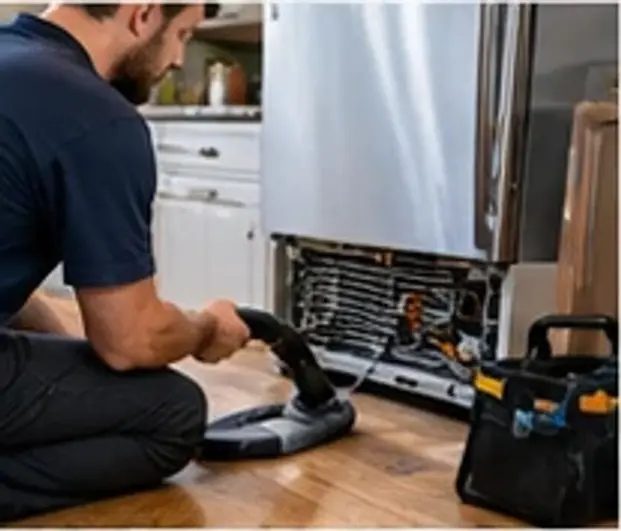
Why routine maintenance pays off
Most appliance breakdowns start as something small: lint in a vent, dust on coils, a clogged filter or a worn seal. Catching those early keeps parts from overworking, lowers energy use and helps the appliance reach the end of its normal lifespan instead of failing early.
Georgia adds its own stress. Humid summers make refrigerators and freezers run longer and encourage mildew in washers, and mineral-heavy water in some areas leaves scale in dishwashers, washers and ice makers. A little attention twice a year goes a long way against both.
Maintenance schedule by appliance
- Refrigerators and freezers, every 6 months: vacuum the condenser coils (more often with pets), wipe and inspect the door gaskets, replace the water filter on the maker's schedule, and confirm the fridge holds about 37°F and the freezer 0°F. Leave a couple of inches of space behind the fridge for airflow.
- Washers, every 6 to 12 months: clean the drain pump filter on front-loaders, run a cleaning cycle, wipe the door boot, and check fill hoses for bulges or cracks.
- Dryers, every 6 to 12 months: clean the lint screen every load, and have the full vent run cleared at least yearly.
- Dishwashers, every 6 months: clean the filter and spray arms (the filter more often), check the door gasket, and descale if you have hard water.
- Ovens, ranges and cooktops, once a year: clean burners and burner ports, check that gas burners light quickly, and confirm the oven reaches its set temperature with an oven thermometer.
- Microwaves, once a year: clean the vents and grease filter on over-the-range models and check that the door latches firmly.
A seasonal routine for Georgia homes
Spring and summer. Clean refrigerator coils before the heat arrives, since that is when the compressor works hardest. Inspect washer hoses for leaks and mildew, clear the dryer vent, and leave the washer door or lid open between loads to let it dry out.
Fall and winter. Deep-clean the dishwasher and washing machine to clear buildup, check that the oven heats accurately before holiday cooking, and look at refrigerator door seals for gaps or condensation. If a part has been acting up, fall is a good time to have it looked at before the busiest cooking weeks.
What you can do yourself, and what you should not
Safe for most homeowners:
- Cleaning filters, lint screens, coils and spray arms
- Wiping and inspecting door seals and gaskets
- Running cleaning, descaling or sanitizing cycles
- Checking hoses for kinks, bulges and leaks
- Making sure plugs and cords are in good condition
Always unplug the appliance or switch off its breaker before reaching behind or underneath it.
Leave to a technician:
- Anything involving refrigerant or the sealed cooling system
- Gas valves, gas connections and igniter replacement
- Control boards, internal wiring and electrical testing
- Motors, bearings, belts and drum components
Signs maintenance is overdue
- Drying times keep getting longer
- The refrigerator runs almost constantly or feels warmer than usual
- Dishes come out spotted or gritty
- The washer smells musty or leaves residue on clothes
- New noises, small leaks, or a faint burning smell
- Error codes or a breaker that trips
- Utility bills creeping up without an obvious reason
Any of these is worth checking before it turns into a repair. Our guide to common appliance problems explains what each symptom usually means.
Don't forget the smaller kitchen appliances
The big appliances get most of the attention, but a few smaller items fail for the same reasons.
- Garbage disposal: run cold water during and after use, avoid grease, fibrous peels and bones, and freshen it occasionally by grinding ice cubes. A disposal that hums without turning is usually jammed; switch it off before reaching anywhere near it, and see our garbage disposal repair page if it will not clear.
- Refrigerator water and ice lines: change the filter on schedule and look behind the fridge for a damp floor or a kinked supply line.
- Range hood: soak or replace the grease filters a few times a year so grease does not build up above the cooktop.
Build a routine that sticks
- Read the manual. It lists the maker's maintenance steps and any requirements tied to the warranty. Most manuals are also online by model number.
- Set two calendar reminders a year for the full checklist, plus monthly reminders for dishwasher filters.
- Keep a simple log of what you did and when, along with any repairs. It helps with warranty claims and tells a technician what has already been done.
- Fix small issues promptly. A torn gasket or slow drain is cheap to handle today and expensive to ignore.
When to call a technician
Call when maintenance does not solve a symptom, when you notice a burning smell or gas odor, or when the next step would mean opening the appliance. If you smell gas, leave the home first and call your gas utility from outside.
Mr. Fixer's licensed and insured technicians can inspect and service refrigerators, washers, dryers, dishwashers, ovens and ranges across Metro Atlanta. Every visit starts with the $80 diagnostic fee, credited toward the repair if you go ahead, and you receive a written estimate first. Repairs carry a 60-day parts and labor warranty. Browse all services, including refrigerator repair and dryer repair, then call (678) 866-3669 or book online.
FAQs
How often should appliances be serviced?
Plan on basic maintenance every 6 to 12 months for most major appliances, with refrigerators and dishwashers on the shorter end and ovens about once a year. Heavy use, pets and hard water all shorten the interval.
How often should I clean my refrigerator coils?
About every six months for most homes, and more often if you have pets or the fridge sits in a dusty area. Unplug the fridge first and use a vacuum brush or a coil brush.
Does Georgia's climate affect appliance lifespan?
It can. Humidity makes refrigerators work harder and encourages mildew in washers, and hard water in some areas leaves mineral buildup in dishwashers and ice makers. Regular cleaning and descaling help offset both.
More repair guides

Repair or Replace an Appliance? How to Decide
Repair usually makes sense when the appliance is in the first half of its expected life and the repair costs well under half the price of a comparable…
Read the guide →
Common Appliance Problems and When to Get Them Fixed
The most common household appliance problems are a refrigerator not cooling, a washer not draining, a dishwasher not cleaning, an oven not heating and…
Read the guide →
How Much Does Appliance Repair Cost in Atlanta?
At Mr. Fixer, most household appliance repairs start with an $80 diagnostic and a repair price from $180 plus parts. Built-in ovens, double ovens, mic…
Read the guide →