
Dishwasher Leaking? How to Find the Source and Stop the Water
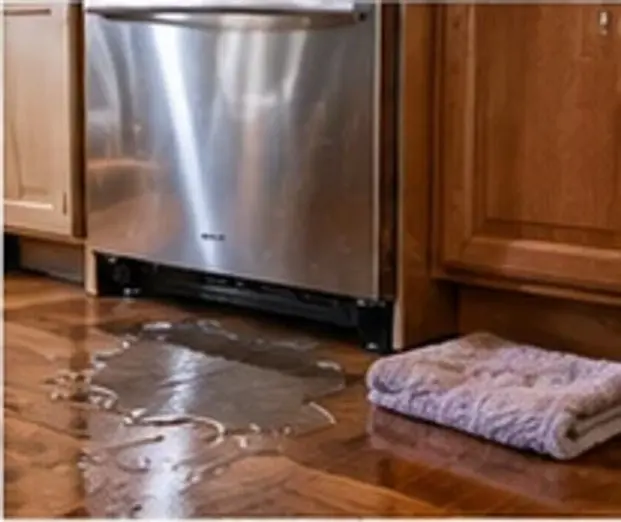
Find out where and when it leaks
Remove the lower kick panel if it comes off easily and keep a flashlight handy. Then run a short cycle and watch.
- Out the front of the door: door gasket, oversudsing, overfilling, or a dishwasher that tilts forward.
- From underneath during fill: the water inlet valve or the supply line connection.
- From underneath during wash or drain: the pump, a hose, the drain hose connection, or the tub.
- Under the sink cabinet: the drain hose at the garbage disposal or sink tailpiece, or the supply valve.
Water that appears only after unloading is often just drips from cups and bowls that collected water on top, not a leak. Similarly, a little moisture on the floor right after you open the door mid-cycle is usually steam and spray escaping, which is normal.
Simple fixes to try first
Turn off power at the breaker or unplug the dishwasher before looking underneath or under the sink.
- Use the right detergent. Regular dish soap creates mountains of suds that push water past the door seal. Only use detergent made for automatic dishwashers. If dish soap got in, run a rinse cycle and wipe out the foam.
- Check the door gasket. Look for cracks, flat spots, or food stuck on the seal. Wipe it with a damp cloth. On many models the gasket presses into a channel and can be pushed back if it has slipped.
- Check the level. A dishwasher that tilts forward can leak at the door. Place a level on the door opening and adjust the front feet if needed.
- Inspect the spray arms and filter. A cracked spray arm can shoot water at the door gap, and a filter that is not locked in can cause water to splash oddly.
- Load carefully. Large pans or cutting boards placed so they deflect spray toward the door edge can cause leaks.
Leaks under the sink and at the hoses
Look in the sink cabinet while the dishwasher drains. The drain hose usually connects to the garbage disposal or a sink branch tailpiece with a clamp. If it drips, tighten the clamp. If you just installed a new disposal, the knockout plug inside the dishwasher inlet must be removed, or the dishwasher cannot drain and may overflow.
Also check the supply line valve under the sink for drips. If you find a leak at the supply fitting behind the dishwasher, turn off the valve and call for service, since reaching it means pulling the unit out from under the counter.
Leaks from inside the dishwasher
- Water inlet valve. A cracked valve or loose fitting leaks during fill. Sometimes the dishwasher also overfills.
- Float switch. The float tells the dishwasher when to stop filling. If it sticks, the dishwasher can overfill and leak from the door.
- Pump and seals. Worn circulation or drain pump seals let water drip underneath.
- Hoses. Internal hoses and clamps age and loosen over time.
- Cracked tub. Less common, but rust spots or a crack in the tub floor can leak steadily.
Many dishwashers have a leak sensor in the base pan. On many Bosch dishwashers, water in the base triggers the E15 code and keeps the drain pump running. Our Bosch dishwasher error codes page explains it in more detail.
Protect your kitchen floor
Dishwasher leaks often seep under cabinets and flooring before anyone notices. Signs include a soft spot in the floor near the dishwasher, swollen cabinet edges, or a musty smell. If you see any of these, stop using the dishwasher, turn off its water supply, and keep the area dry. Hand-wash dishes until the cause is found. A dishwasher that sits on hardwood, or next to cabinets made from particleboard, is especially vulnerable, because both swell permanently once they soak up water.
When to call a technician
Call if the leak continues with the correct detergent and a clean, seated gasket, if water comes from underneath, if the dishwasher overfills, or if you see an error code for water in the base. These repairs involve hoses, valves and pumps near the electrical connection, and many require pulling the unit out.
Mr. Fixer provides dishwasher repair across Metro Atlanta for brands including Bosch, Whirlpool, KitchenAid, GE and Samsung. Repairs start from $180 plus parts, and our dishwasher repair cost guide has more detail. Call (678) 866-3669 or book a repair online.
Need it fixed?
Our technicians handle dishwasher repair across Metro Atlanta, usually the same day. Diagnostic from $80, credited toward your repair.
Call (678) 866-3669FAQs
Why is my dishwasher leaking from the bottom of the door?
Common causes are a worn or dirty door gasket, using regular dish soap instead of dishwasher detergent, a dishwasher that tilts forward, or overfilling from a stuck float switch.
Can I use the dishwasher if it is leaking?
It is best not to. Even a small leak can damage flooring and cabinets over time. Turn off the water supply, hand-wash dishes, and have the cause found and fixed.
What does it mean when water is in the base of my dishwasher?
Water in the base pan means something inside the dishwasher is leaking, such as a hose, pump seal or inlet valve. Many models detect this with a float or sensor and stop the cycle or show an error code.
More repair guides
Dishwasher Not Cleaning Dishes? Causes and Fixes
Dishes usually come out dirty because of a clogged filter, blocked spray arms, water that is not hot enough, or poor loading, and those are all things…
Read the guide →
How Much Does It Cost to Fix a Dishwasher in Atlanta?
In the Atlanta area, dishwasher repairs typically run roughly $120 to $450, depending on which part failed, the brand, and how long the job takes, wit…
Read the guide →
Dishwasher Not Drying Dishes? Causes and Easy Fixes
Wet dishes at the end of a cycle are often caused by an empty rinse aid dispenser, a heated dry option that is turned off, loading that traps water, o…
Read the guide →