
Washing Machine Not Draining or Spinning? Causes and Fixes
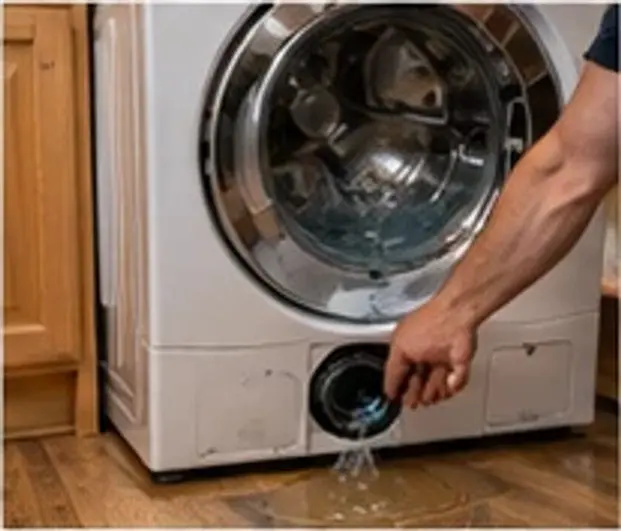
Why draining and spinning fail together
Washers are designed not to spin with water still in the drum. So when the drain pump cannot move water out, the machine also skips or stops the spin, and you are left with a tub of water and soaked clothes. That is why most "won't spin" problems are really drain problems.
The opposite also happens. If the water drains fine but the drum will not spin, the cause is more likely the lid switch or door lock, an unbalanced load, or a drive part such as a belt, motor coupler, shifter or clutch.
Safe checks to try first
Unplug the washer before you start, and keep towels and a shallow pan nearby.
- Run a drain and spin cycle on its own. Sometimes a load simply stopped mid-cycle. If it drains and spins, rebalance the clothes and try again.
- Check the drain hose. Pull the washer out gently and look for kinks or a hose crushed against the wall. A hose pushed too far down the standpipe can also cause problems.
- Clean the drain pump filter (most front-loaders). Many front-load washers, including common LG and Samsung models, have a small access door at the bottom front. Lay towels down, drain the water through the small emergency hose if there is one, then unscrew the filter slowly. Coins, hair ties, socks and lint are typical finds.
- Rebalance the load. A single heavy item like a bath mat or comforter can make the washer refuse to spin. Spread the load evenly or add a few towels.
- Check for oversudsing. Using regular detergent in a high-efficiency washer, or simply too much HE detergent, creates foam that the washer reads as water. Run a rinse with no detergent.
Common causes that need a part
- Drain pump. If you hear a hum with no water moving, or no sound at all during drain, the pump may be jammed or failed. A pump that runs noisily before it quits often has a foreign object in it.
- Lid switch or door lock. If the washer cannot confirm the lid or door is locked, it will not spin. A door that will not lock or unlock, or a lid lock that clicks repeatedly, points here.
- Drive belt, motor coupler or shifter. On many top-loaders, the drive system uses a belt, a coupler between motor and transmission, or a shift actuator. When one fails, the motor may run while the drum stays still.
- Motor or motor control board. A motor that will not run, or a board that is not sending it power, stops both agitation and spin.
- Clogged household drain. If the standpipe or laundry sink backs up, the washer drains into a blockage. That is a plumbing issue rather than a washer fault.
Error codes to look for
Most modern washers display a code when they cannot drain within a set time. On many LG washers the drain error appears as OE, and many Samsung washers commonly show 5C or 5E. Other brands use their own codes, so check the manual or the label inside the lid or console for your model.
A drain code does not always mean the pump has failed. It just means water did not leave in time, which is just as often a clogged filter or hose. Note the code before calling, since it helps the technician bring the right part.
How to avoid drain and spin problems
- Empty pockets before every wash. Coins, keys and hair clips are the top cause of pump jams.
- Use mesh bags for socks, baby clothes and small items.
- Clean the drain pump filter on front-loaders every few months.
- Use only HE detergent in HE washers, and measure it.
- Do not overload the drum or wash single heavy items alone.
- Keep the washer level so it does not walk or vibrate during spin, which also wears the suspension.
- Leave the door or lid open between loads to limit mildew, especially in humid Georgia summers.
When to call a technician
Call for service if the washer still will not drain after cleaning the filter and checking the hose, if you hear humming or grinding during drain, if the door or lid lock will not engage, or if water drains but the drum will not turn. Also call if water is leaking from underneath, since a leak plus a drain fault often means a cracked pump housing or hose.
Pumps, locks, belts and motors sit behind panels near water and live wiring, so these are not safe guesses for a DIY repair. Mr. Fixer provides washing machine repair across Metro Atlanta for top-load and front-load washers from every major brand, including LG, Samsung, Whirlpool and Maytag. Same-day service is available in most areas. Call (678) 866-3669 or book online.
What affects the repair cost
Clearing a jammed pump or replacing a lid switch is usually at the lower end. Drain pumps, door locks and belts are typically mid-range, while motors, control boards and transmissions cost the most. Front-loaders sometimes take more labor because the pump and lock sit deeper in the cabinet.
Our diagnostic fee is $80 and is credited toward the repair if you go ahead, and you get a written estimate before work starts. Washer repairs come with a 60-day warranty on both parts and labor. If your washer is older and the fault is a motor or transmission, our repair or replace guide can help you weigh it.
Need it fixed?
Our technicians handle washer repair across Metro Atlanta, usually the same day. Diagnostic from $80, credited toward your repair.
Call (678) 866-3669FAQs
How do I drain a washing machine that is full of water?
Unplug it first. On many front-loaders, open the small access panel at the bottom front, drain through the emergency hose into a pan, then remove the pump filter. On a top-loader, you can lower the drain hose into a bucket below the water level or bail the water out.
Why does my washer drain but not spin?
If the water leaves but the drum will not spin, the usual causes are an unbalanced load, a lid switch or door lock that is not engaging, or a drive part such as a belt, motor coupler or shifter.
Can too much detergent stop a washer from spinning?
Yes. Excess suds, especially from non-HE detergent in an HE washer, can make the washer think water is still present and slow or stop the spin. Run a rinse cycle with no detergent and use less next time.
More repair guides
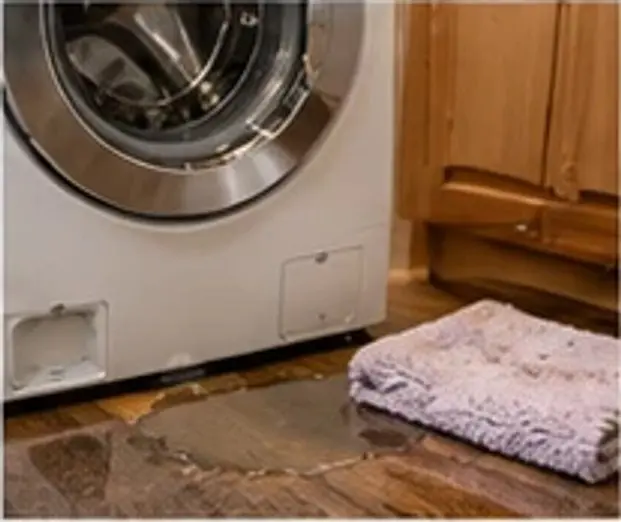
Washer Leaking Water? How to Find the Leak and Fix It
Washing machine leaks most often come from worn fill hoses, a torn or dirty door gasket on front-loaders, too much detergent, a loose drain pump filte…
Read the guide →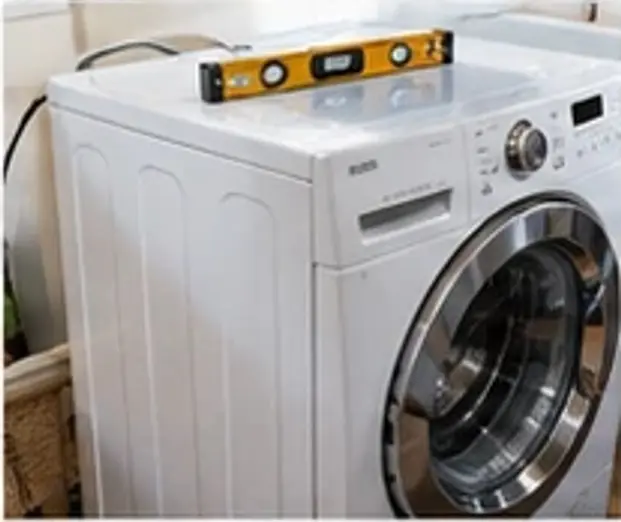
Washer Shaking, Banging or Walking? Causes and Fixes
A washer that shakes violently or walks across the floor is usually unlevel, unevenly loaded, or sitting on a floor that flexes. On new front-loaders,…
Read the guide →
Washer Won't Start? Step-by-Step Checks and Common Causes
When a washer will not start, the cause is often simple: no power at the outlet, a tripped breaker or GFCI, a control lock or delay start that is turn…
Read the guide →