
Why Does My Washer Smell Bad? How to Clean It and Stop Odors
Why washers start to smell
Modern high-efficiency washers use less water and lower temperatures, which is good for energy use but leaves more room for detergent and fabric softener residue to collect. Combine that residue with lint, body oils and a sealed drum that stays damp, and mold and bacteria have everything they need.
Front-loaders are more prone to odor because their door seals tightly and the rubber gasket holds water in its folds. Top-loaders can smell too, often from residue under the agitator or around the tub rim.
Clean the door gasket and dispenser
Unplug the washer before cleaning.
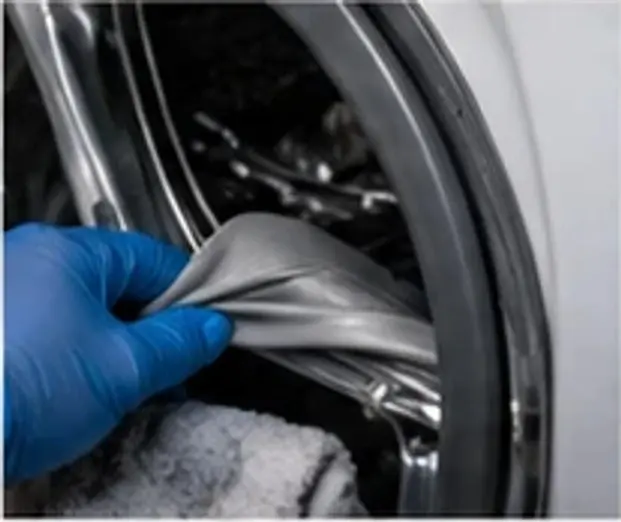
- Door gasket. Pull back the folds of the rubber seal on a front-loader. Wipe out hair, lint and black or gray buildup with a cloth and a mild solution of warm water and dish soap, or a cleaner your manufacturer approves. Dry it afterward.
- Dispenser drawer. Most drawers pull out completely when you press a release tab. Soak it in warm water, scrub with a small brush, and wipe out the housing where it sits, since mildew often grows on the roof of that opening.
- Top-loader rim and lid. Wipe under the rim of the tub and around the lid, where splashes of detergent and softener collect.
Clean the drain pump filter
Many front-loaders have a drain pump filter behind a small panel at the bottom front. Hair, lint, coins and bits of fabric collect there along with stagnant water, and that can produce a strong sour odor.
Place towels and a shallow pan on the floor. If there is a small drain tube next to the filter, drain the water through it first. Then turn the filter slowly counterclockwise to remove it, rinse it, and wipe out the opening. Screw it back in firmly so it does not leak. Your owner's manual shows the exact location and steps for your model.
Run a cleaning cycle
Once the gasket, dispenser and filter are clean, run an empty cleaning cycle to deal with the tub and the areas you cannot reach.
- Many washers have a dedicated cycle, such as Tub Clean on many LG models or Self Clean on many Samsung models. Use it with a washer cleaner tablet or the product your manual recommends.
- If your washer has no cleaning cycle, run the hottest, longest cycle with the drum empty and a washer cleaner.
- Do not mix cleaning products, and never combine bleach with vinegar or ammonia-based cleaners.
Repeat the cleaning cycle about once a month, or as often as your manual suggests.
Habits that keep odors away
- Leave the door or lid open after each load so the drum can dry. In humid Georgia summers this matters even more.
- Move wet clothes to the dryer promptly instead of letting them sit.
- Use only HE detergent in HE washers and measure it. More detergent leaves more residue, not cleaner clothes.
- Cut back on liquid fabric softener, which coats the tub and hoses.
- Run a warm or hot wash now and then instead of always using cold water.
- Wipe the gasket dry after the last load of the day.
When the smell means a repair
Some odors are not about cleaning. A sewer or rotten-egg smell in the laundry room often comes from the household drain, for example a dry trap in a floor drain or a standpipe that is not vented properly. That is a plumbing issue. A burning or electrical smell is different: unplug the washer and do not use it until it has been checked.
If water stays in the drum after the cycle ends, or the washer drains slowly, stale water will keep causing odors no matter how often you clean. That usually means a clogged or failing drain pump or a blocked hose. Our guide to a washer that is not draining explains the causes.
When to call a technician
Call for service if odors return within days of a thorough cleaning, if water remains in the tub after the cycle, if the gasket has a torn fold that holds water, or if you smell burning. A worn gasket, a weak drain pump or a leaking internal hose can all keep a washer smelling no matter how often it is cleaned.
Mr. Fixer offers washing machine repair throughout Metro Atlanta for front-load and top-load models from LG, Samsung, Whirlpool and more. Every repair includes a 60-day parts and labor warranty. Call (678) 866-3669, or request an appointment online.
Need it fixed?
Our technicians handle washer repair across Metro Atlanta, usually the same day. Diagnostic from $80, credited toward your repair.
Call (678) 866-3669FAQs
How do I get rid of the mildew smell in my front-load washer?
Clean the folds of the door gasket and the dispenser drawer, clear the drain pump filter, then run a tub cleaning cycle with a washer cleaner. Afterward, leave the door open between loads so the drum dries out.
Why do my clothes smell after washing?
Clothes often pick up odors from a washer with residue in the tub or gasket, from using too much detergent, or from sitting wet in the drum too long. Cleaning the washer and moving loads promptly to the dryer usually solves it.
How often should I clean my washing machine?
Running a cleaning cycle about once a month works for most households, along with wiping the door gasket weekly. Clean the drain pump filter on front-loaders every few months, or more often if you wash pet bedding.
More repair guides
Washing Machine Not Draining or Spinning? Causes and Fixes
A washer that will not drain or spin usually has a clogged drain pump filter, a kinked or blocked drain hose, a failed drain pump, or a lid or door lo…
Read the guide →
Washer Leaking Water? How to Find the Leak and Fix It
Washing machine leaks most often come from worn fill hoses, a torn or dirty door gasket on front-loaders, too much detergent, a loose drain pump filte…
Read the guide →
Washer Shaking, Banging or Walking? Causes and Fixes
A washer that shakes violently or walks across the floor is usually unlevel, unevenly loaded, or sitting on a floor that flexes. On new front-loaders,…
Read the guide →