
Oven Not Heating Evenly? Causes and Fixes for Uneven Baking
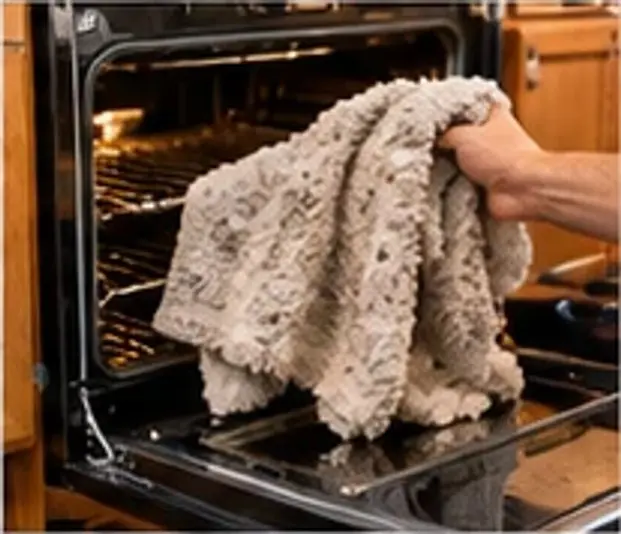
Test your oven's temperature
Before changing anything, find out what is really happening inside the oven. Place an oven thermometer in the center of the middle rack, set the oven to 350°F, and let it preheat fully. Check the reading after 20 minutes, then a few more times over the next half hour.
Ovens cycle the heat on and off, so the temperature swings above and below the setting. What matters is the average. If the average is consistently far off, the oven may need calibration or a part. To check evenness, try the same test at different positions, or bake a tray of plain white bread slices and compare how they brown.
Habits that cause uneven baking
- Rack position. Recipes usually assume the middle rack. Pans placed near the top or bottom get more direct heat from the elements or burner.
- Too many pans. Two large sheets on one rack, or pans touching the walls, block air circulation. Leave at least an inch or two around each pan.
- Dark or glass pans. Dark pans absorb more heat and brown faster. Glass bakeware heats differently and may need lower temperatures.
- Foil on the oven floor or racks. Foil reflects heat and disrupts airflow, and on some ovens it can damage the bottom surface.
- Short preheat. The preheat signal on many ovens comes before the walls and racks are fully hot. Give it another 10 to 15 minutes for sensitive baking.
- Opening the door. Each opening lets out a lot of heat. Use the oven light to check food.
Rotating pans halfway through baking is a normal technique, even in a well-working oven. Every oven has slightly warmer and cooler zones, usually near the back corners and the door, so a little variation is expected. What is not normal is a sudden change in how your oven bakes recipes you have made many times.
Calibrate the oven temperature
If your thermometer shows the oven is consistently hotter or cooler than the setting, many electronic ovens let you adjust the temperature offset by a limited range through the control panel. The steps differ by brand, so look in your owner's manual for temperature adjustment or calibration. Older ovens with a dial may have an adjustment screw behind the knob.
Calibration only fixes an oven that is consistently off. If the temperature swings widely or drifts, a sensor, thermostat or control problem is more likely. Make small changes, retest with the thermometer, and keep a note of the original setting in case you want to go back.
Parts that cause uneven heat
- Bake element (electric). An element that is partly burned out may glow only in some spots or not at all. Look for blisters, breaks or bright hot spots. Food will brown on top but stay pale on the bottom.
- Broil element. Many ovens use the broil element during preheat or bake. If it fails, top browning suffers.
- Gas igniter. A weak igniter may open the gas valve late or not at all, so the oven cycles erratically and heats unevenly.
- Convection fan. In convection mode, the fan should run. If it does not, convection settings will bake unevenly.
- Temperature sensor. A sensor that reads wrong causes the control to over- or under-heat.
- Door gasket and hinges. A torn gasket or a door that does not close tightly lets heat out on one side.
A gas smell at any point means you should leave the home and call the gas company from outside. Never remove panels, test elements with power on, or work on gas components yourself. On many GE ovens, sensor faults appear as a code on the display; our GE oven error codes page lists the common ones.
When to call a technician
Call if the thermometer shows big swings or a large error after calibration, if an element is damaged or only partly glowing, if a gas oven takes a long time to ignite or heats unevenly, if the convection fan is not running, or if the door does not seal. If your oven is not heating at all, our guide to an oven that is not heating covers that problem.
Mr. Fixer provides oven and cooktop repair across Metro Atlanta for gas and electric ovens, including GE, Whirlpool, Frigidaire, Wolf and Thermador. A diagnostic is $80 for a standard range and $120 for a built-in or double oven, credited toward the repair. Call (678) 866-3669 or book a visit online.
Need it fixed?
Our technicians handle oven & cooktop repair across Metro Atlanta, usually the same day. Diagnostic from $80, credited toward your repair.
Call (678) 866-3669FAQs
How do I know if my oven temperature is off?
Place an oven thermometer on the middle rack, preheat to 350°F and check it several times over 30 minutes or so. If the average is consistently far from the setting, the oven needs calibration or a repair.
Why does my oven burn the bottom of food?
Common causes are a rack placed too low, dark pans, foil on the oven floor, or an oven that runs hot. A temperature sensor or control problem can also cause excess bottom heat.
Should I use convection for more even baking?
Convection usually helps because the fan circulates hot air. Many recipes call for a slightly lower temperature or shorter time with convection. If convection bakes unevenly, the fan may not be working.
More repair guides
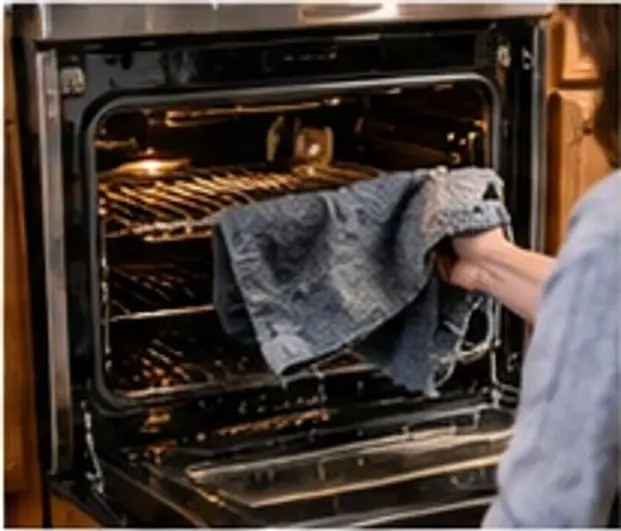
Oven Not Heating? Causes and Fixes for Gas and Electric
An electric oven that will not heat most often has a burned-out bake element, a tripped breaker, or a failed temperature sensor or control, while a ga…
Read the guide →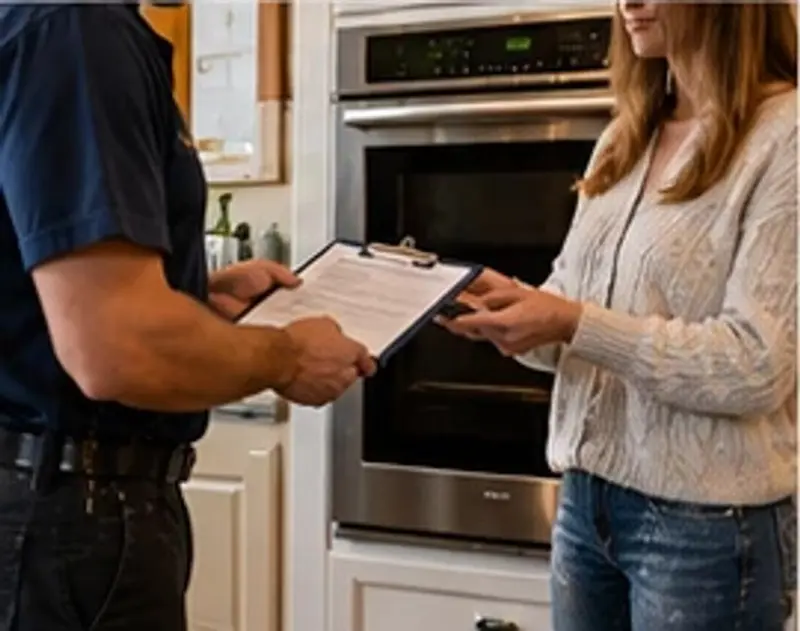
How Much Does Oven Repair Cost in Atlanta?
Oven repair pricing at Mr. Fixer depends on the type of oven. For a freestanding range oven, the diagnostic is $80 and repairs start from $180 plus pa…
Read the guide →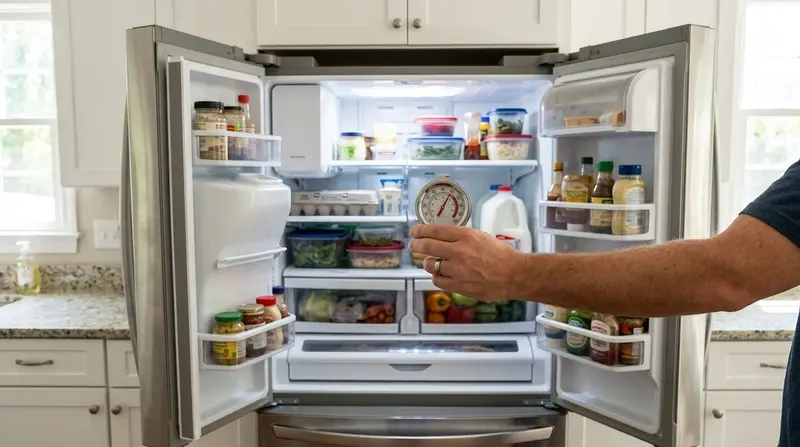
Refrigerator Not Cooling? Common Causes and What to Check
A refrigerator that stops cooling is most often dealing with dirty condenser coils, a failed evaporator or condenser fan, a defrost problem that has i…
Read the guide →